


Celebrating Dr. Gamani Corea: His Impact on Education and International Diplomacy
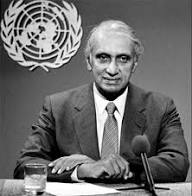
Deshamanya Dr. Gamani Corea remains one of Sri Lanka’s most distinguished economists, diplomats, and global thinkers, a man whose work shaped national planning, influenced international trade policy, and gave developing nations a powerful voice in world affairs.
Born on November 4, 1925, in Colombo, he received his early education at Royal College before beginning his higher studies at the University of Ceylon. His academic journey soon took him to the University of Cambridge, where he completed his BA and MA, and later to the University of Oxford. At Oxford’s Nuffield College, he earned his DPhil in Economics, becoming the first Sri Lankan to obtain a doctorate from Oxford in any discipline.
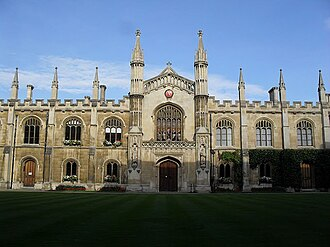
Throughout his career, several universities honoured him with honorary doctorates, recognising his intellectual contributions and global impact.
Shaping Sri Lanka’s Economic Vision
Dr. Corea’s long career began at the Central Bank of Ceylon in 1950, the same year the institution was established. His sharp economic insight quickly elevated him to key leadership roles, including Director of Economic Research and later Deputy Governor.
He contributed to several major national policy initiatives, including:
- Co-creating the Ten Year Plan of 1959, Sri Lanka’s first long-term development blueprint
- Introducing the Foreign Exchange Entitlement Certificate (FEEC) scheme in 1968
- Leading the Aid Consortium, which secured international support during the 1960s foreign exchange crisis
In 1965, he became the first Permanent Secretary of the newly established Ministry of Planning and Economic Affairs. Before entering the UN system, he also served as Sri Lanka’s Ambassador to the European Economic Community and the Benelux countries.
A Decade of Global Leadership at UNCTAD
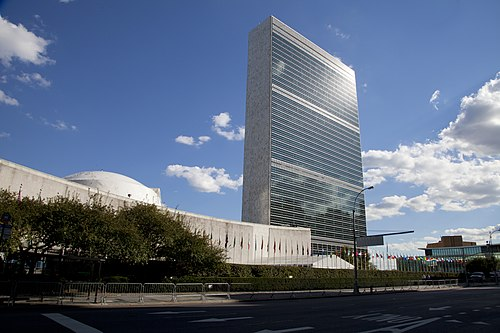
Dr. Corea’s most influential international role came in 1974 when he was appointed Secretary-General of UNCTAD, a position he held for ten transformative years. Many describe this period as the “Golden Age” of the organisation.
During his tenure:
- He pushed for fairer global trade rules and challenged the dominance of Western corporations
- He helped negotiate international codes affecting shipping and restrictive business practices
- He strengthened the voice of the G77, ensuring developing countries presented a united position
- He championed the New International Economic Order (NIEO), arguing that developing nations needed fair prices, not charity
- He advocated early frameworks for debt relief, laying the foundation for the later HIPC initiative
- He launched the Trade and Development Report (TDR) in 1981, giving developing nations their own analytical platform
His diplomatic skill, calm leadership, and unwavering commitment to equity earned him global respect.
The “Corea Plan” and the North–South Dialogue
One of his most ambitious contributions was the Integrated Programme for Commodities (IPC), later known as the Corea Plan. He recognised that developing countries struggled because they exported raw materials whose prices fluctuated wildly.
His solution was bold:
- Negotiate 18 major commodity agreements together, giving producers more bargaining power
- Create international buffer stocks to stabilise prices
- Establish a central fund, the Common Fund for Commodities, to finance these operations
After years of negotiations led by Dr. Corea, the Common Fund was finally established in 1989. Though not realised in full due to strong opposition from industrialised nations, the institution still survives today in Amsterdam.
Later Life and Enduring Legacy
After returning to Sri Lanka, Dr. Corea continued contributing to national and global development:
- He founded the Institute of Policy Studies (IPS) and served as its Chairman for almost two decades
- He played an important role in the South Commission and later chaired the South Centre
- As Chancellor of the Open University, he promoted the expansion of distance learning
- He served as the first President of the Sri Lanka Economic Association
- He established the Gamani Corea Foundation to preserve his vast research library and promote development studies
In 1986, he received the national title Deshamanya for his outstanding service to the country. Dr. Gamani Corea passed away on November 3, 2013, leaving behind a legacy of wisdom, leadership, and unwavering commitment to a fairer economic world for developing nations.
Related News
Education Ministry briefs officials on proposed National Curriculum Framework
Education officials at the provincial and zonal levels have been briefed on proposed education reforms and the new National Curriculum Framework during…
Read MoreEastern University teachers address ongoing higher education crisis
State universities in Sri Lanka are facing a severe crisis due to an acute shortage of human resources, inadequate infrastructure facilities, Eastern…
Read More
Poverty drives Central Province school dropouts
Around 24% of children enrolled in Grade 1 in the Central Province drop out before completing 13 years of school, Central Province…
Read MorePresident’s Fund honours A/L top achievers
The first district level recognition ceremony under the President’s Fund for high achievers of the 2025 G.C.E. Advanced Level Examination took place…
Read More
Sri Lanka to introduce New School Curricula and National Preschool Education Reforms
Significant changes are set for Sri Lanka’s school curriculum from 2027, including reducing the G.C.E. Ordinary Level examination to seven core subjects…
Read MoreCourses
-

The future of higher education tech: why industry needs purpose-built solutions
For years, Institutions and education agencies have been forced to rely on a patchwork of horizontal SaaS solutions – general tools that… -

MBA in Project Management & Artificial Intelligence – Oxford College of Business
In an era defined by rapid technological change, organizations increasingly demand leaders who not only understand traditional project management, but can also… -

Scholarships for 2025 Postgraduate Diploma in Education for SLEAS and SLTES Officers
The Ministry of Education, Higher Education and Vocational Education has announced the granting of full scholarships for the one-year weekend Postgraduate Diploma… -
Shape Your Future with a BSc in Business Management (HRM) at Horizon Campus
Human Resource Management is more than a career. It’s about growing people, building organizational culture, and leading with purpose. Every impactful journey… -
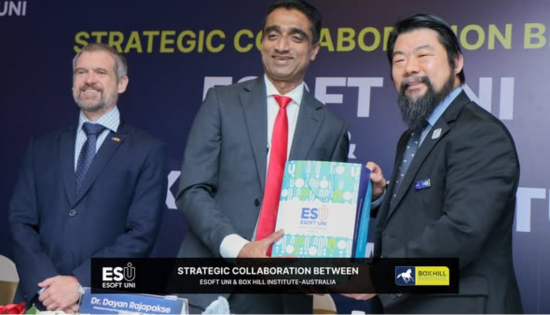
ESOFT UNI Signs MoU with Box Gill Institute, Australia
ESOFt UNI recently hosted a formal Memorandum of Understanding (MoU) signing ceremony with Box Hill Institute, Australia, signaling a significant step in… -

Ace Your University Interview in Sri Lanka: A Guide with Examples
Getting into a Sri Lankan sate or non-state university is not just about the scores. For some universities' programmes, your personality, communication… -
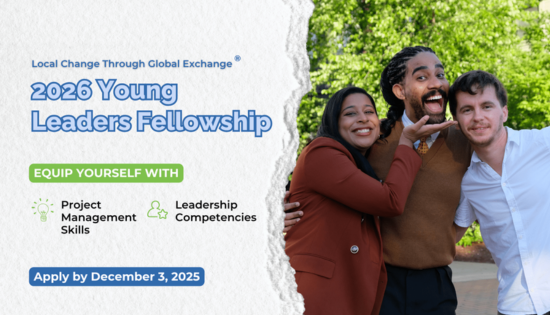
MCW Global Young Leaders Fellowship 2026
MCW Global (Miracle Corners of the World) runs a Young Leaders Fellowship, a year-long leadership program for young people (18–26) around the… -
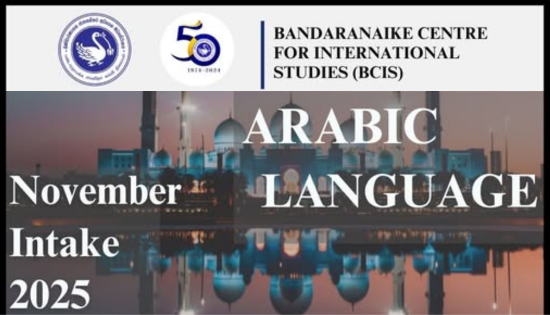
Enhance Your Arabic Skills with the Intermediate Language Course at BCIS
BCIS invites learners to join its Intermediate Arabic Language Course this November and further develop both linguistic skills and cultural understanding. Designed… -

Achieve Your American Dream : NCHS Spring Intake Webinar
NCHS is paving the way for Sri Lankan students to achieve their American Dream. As Sri Lanka’s leading pathway provider to the… -
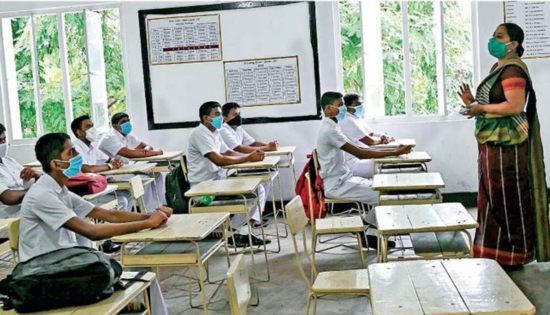
National Diploma in Teaching course : Notice
A Gazette notice has been released recently, concerning the enrollment of aspiring teachers into National Colleges of Education for the three-year pre-service… -
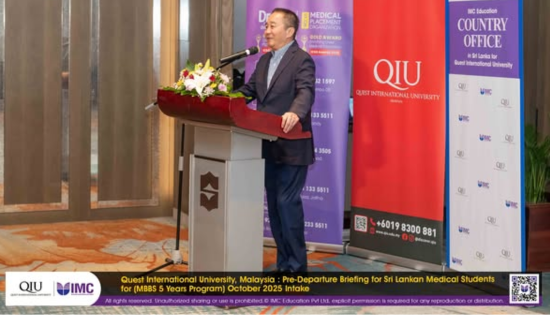
IMC Education Features Largest Student Recruitment for QIU’s October 2025 Intake
Quest International University (QIU), Malaysia recently hosted a pre-departure briefing and high tea at the Shangri-La Hotel in Colombo for its incoming… -

Global University Employability Ranking according to Times Higher Education
Attending college or university offers more than just career preparation, though selecting the right school and program can significantly enhance your job… -

Diploma in Occupational Safety & Health (DOSH) – CIPM
The Chartered Institute of Personnel Management (CIPM) is proud to announce the launch of its Diploma in Occupational Safety & Health (DOSH),… -
Small Grant Scheme for Australia Awards Alumni Sri Lanka
Australia Awards alumni are warmly invited to apply for a grant up to AUD 5,000 to support an innovative project that aim… -
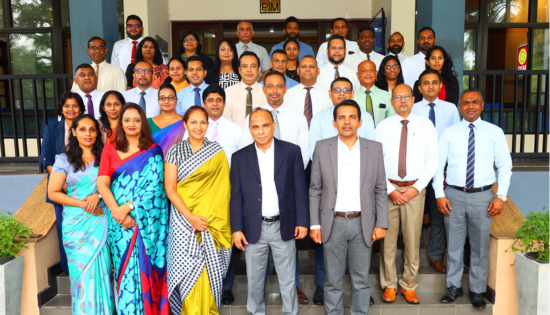
PIM Launches Special Programme for Newly Promoted SriLankan Airlines Managers
The Postgraduate Institute of Management (PIM) has launched a dedicated Newly Promoted Manager Programme designed to strengthen the leadership and management capabilities…
Newswire
-
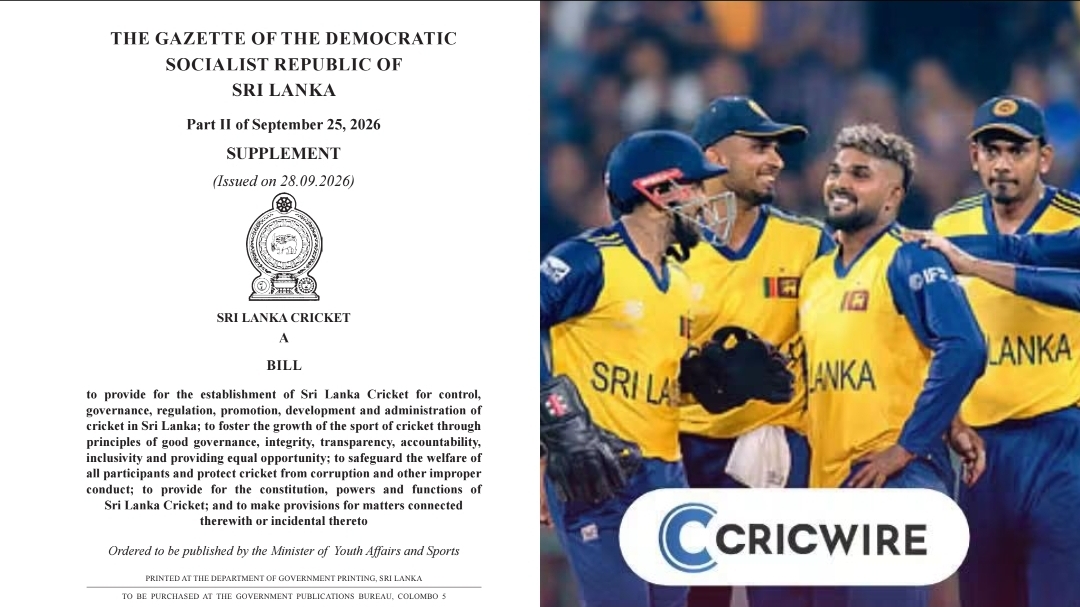
Who can become Sri Lanka Cricket’s next chairman — and who is barred?
ON: September 29, 2026 -
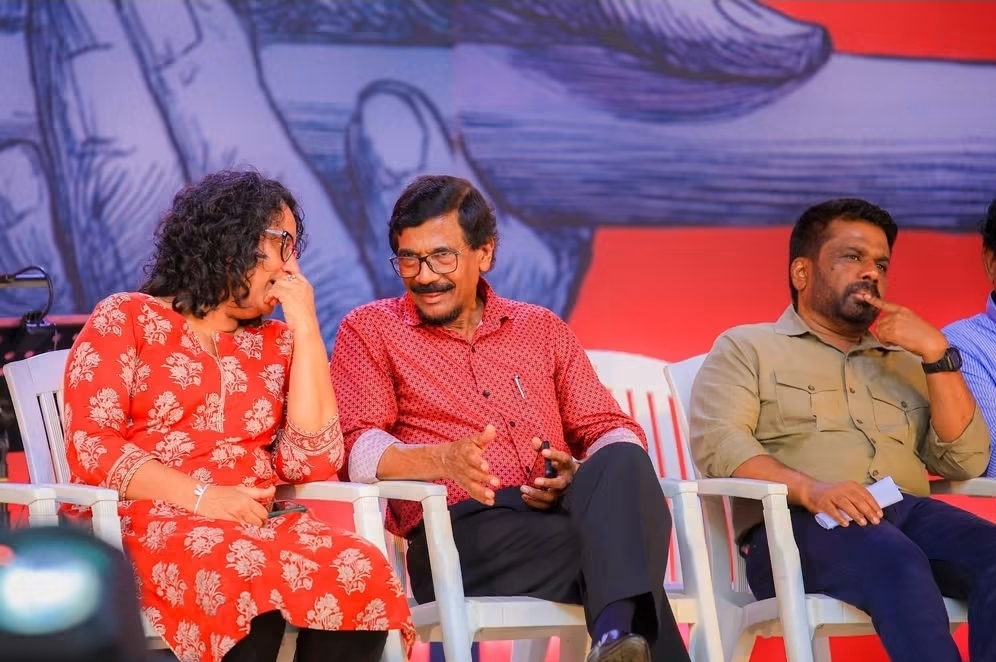
‘Desperate Lies’: Tilvin laughs off Prime Minister Poisoning Rumors
ON: September 29, 2026 -
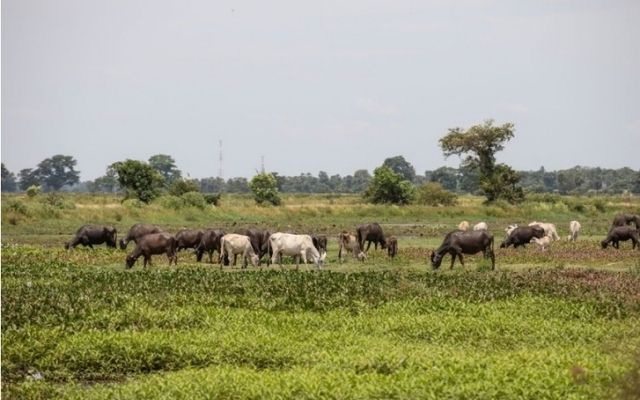
Government moves to resolve Batticaloa dairy farmers’ grazing land dispute
ON: September 29, 2026 -
“I don’t remember”: Gotabaya questioned over Keith Noyahr abduction and disappearances
ON: September 29, 2026 -

Three films a day: Concerns raised over state TV schedule
ON: September 29, 2026