

Your first job without experience
The skills that can help you stand out

One of the most frustrating parts of applying for a first job is seeing “experience required” in a vacancy advertisement.
If you have never had a formal job, what are you supposed to put on your CV? What can you say in an interview? And how can you convince someone that you are capable when you have not yet had the opportunity to prove it?
The good news is that experience is only one part of what makes an applicant attractive.
Research into the changing labour market shows that employers increasingly value a combination of technical abilities and human skills. The World Economic Forum’s Future of Jobs Report 2025, based on more than 1,000 employers representing more than 14 million workers, identifies analytical thinking, resilience, flexibility, creative thinking and technological literacy among the most important skills in today’s workplace. It also expects AI and big data, cybersecurity and technological literacy to grow rapidly in importance through 2030.
For someone entering the workforce without experience, this creates an important opportunity.
You may not be able to add five years of employment to your CV overnight.
You can, however, start building and demonstrating the skills employers are looking for.
Start with communication

Communication is one of the most transferable skills you can develop.
It applies whether you are interested in hospitality, retail, healthcare, IT, finance, construction, education, media, administration or creative work.
Good communication is not simply speaking confidently. It includes listening, explaining information clearly, asking appropriate questions, writing professionally and adapting your communication to different people.
The World Economic Forum lists empathy and active listening, leadership and social influence, and service orientation and customer service among the core skills identified by employers.
You can start demonstrating communication skills before you have a job.
Write a professional email instead of sending a casual message. Practise introducing yourself in 30 seconds. Learn how to explain a project clearly. Record yourself answering common interview questions. If you speak more than one language, practise communicating professionally in each one.
Your application itself is already a demonstration of your communication ability.
Learn to think, not just remember
Analytical thinking remains one of the most important skills identified in global employer research.
The World Economic Forum’s 2025 report ranked analytical thinking as the top core skill, with 69% of surveyed employers identifying it as important.
Analytical thinking means being able to examine information, identify a problem, compare possibilities and reach a reasoned conclusion.
You do not need an expensive course to practise it.
Read an article and question its evidence. Compare two products before deciding which is better. Analyse a public dataset. Work through a practical problem. Take a complicated issue and try to explain its causes and possible solutions.
When preparing for interviews, avoid giving only conclusions.
Explain how you reached them.
That process can demonstrate how you think.
Digital literacy is becoming essential
Almost every industry is being affected by digital technology.
You may not need advanced programming skills, but you should be comfortable learning and using the digital tools relevant to the field you want to enter.
For office-based work, this could mean word processing, spreadsheets, presentations, email and online collaboration.
For marketing, it could include content creation, social media analytics and digital advertising.
For hospitality and retail, digital booking, payment and customer-management systems may be important.
For technical careers, the requirements can become much more specialised.
The World Economic Forum identifies technological literacy as one of the core skills employers currently value and places AI and big data, networks and cybersecurity among the fastest-growing skill areas through 2030.
The lesson is not that everyone needs to become a programmer.
It is that being uncomfortable with technology is becoming increasingly difficult to hide in the workplace.

AI literacy is becoming part of digital literacy
Artificial intelligence adds another dimension to this.
AI tools are increasingly being incorporated into research, writing, customer service, analysis, software development, design and administrative work.
LinkedIn’s 2026 Skills on the Rise research similarly reports growing demand for AI-related skills, while also highlighting collaboration, communication and business skills. Its analysis says employers are increasingly focusing on what people can do rather than relying only on degrees, job titles or conventional career paths.
For an applicant, AI literacy does not mean filling a CV with the names of AI tools.
It means understanding how to use them intelligently.
You should know how to write useful prompts, check AI-generated information, recognise mistakes, protect private information and decide when human judgement is necessary.
Using AI to help you learn is one thing.
Using it to produce work you cannot explain is another.
If you want a technical job, build something
For technical careers, one of the best ways to overcome limited experience is to create evidence of ability.
If you want to become a programmer, build a small application.
Interested in data? Analyse a public dataset.
Interested in web development? Create a website.
Interested in cybersecurity? Complete legitimate practical training exercises and document what you learned.
Interested in graphic design? Build a portfolio.
The project does not have to be extraordinary.
It needs to demonstrate that you can take an idea, learn what is necessary and produce something.
A CV that says “basic programming knowledge” is a claim.
A completed project is evidence.
Customer-facing careers require more than technical knowledge
If you are interested in retail, tourism, hospitality, sales or customer support, your ability to work with people may be one of your strongest assets.
These jobs can involve complaints, misunderstandings, pressure and unexpected situations.
Learning to remain calm, listen carefully and respond respectfully is therefore valuable.
The World Economic Forum places empathy and active listening and service orientation and customer service among its recognised core skills.
You can develop these abilities through volunteering, community activities, sports, organising events or working on group projects.
You can also prepare for interviews by thinking about situations in which you had to deal with disagreement, responsibility or an unexpected problem.
You do not need to have been employed to have learned how to deal with people.
Creativity is not only for artists
Creative thinking is another skill gaining importance.
The World Economic Forum ranks creative thinking among the top core skills and expects it to continue increasing in importance.
Creativity is obviously important in design, fashion, advertising, writing, media and the arts.
But it is also useful in business, technology, education, hospitality and many other fields.
Creativity can mean finding a new way to present information, developing a better process, generating ideas for a campaign or finding an unusual solution to a problem.
If you are applying for a creative career, build a portfolio.
If you are applying for another type of career, prepare examples of times when you improved, redesigned or approached something differently.
Your hobbies may contain useful skills
One mistake first-time applicants often make is assuming that nothing they have done counts because it did not happen in a workplace.
Look more closely.
Running a small online page may have taught you content creation and audience engagement.
Organising a sports event may have taught you planning and teamwork.
Selling products online may have taught you customer service and basic financial management.
Creating videos may have developed editing and storytelling skills.
Playing competitive sport may have strengthened discipline and teamwork.
Volunteering may have developed responsibility and communication.
Do not turn these activities into exaggerated claims of professional experience.
Instead, identify the genuine skills they helped you develop.
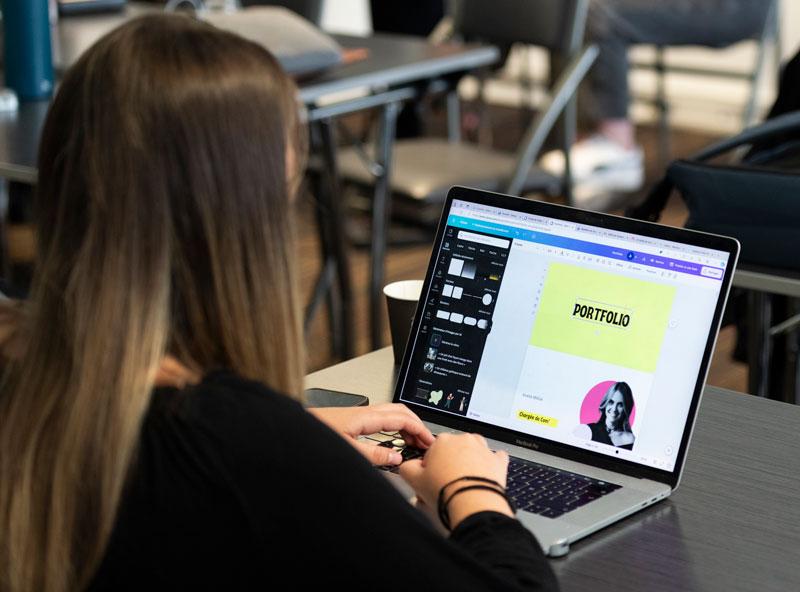
Learn to show evidence
One of the most useful changes you can make to your CV is to replace vague descriptions with evidence.
Instead of writing:
“Good at social media.”
You could describe a project in which you created content, managed a page or analysed audience engagement.
Instead of:
“Good team player.”
Describe a project where you worked with others and explain your contribution.
Instead of:
“Creative.”
Show the portfolio.
Instead of:
“Good computer skills.”
List the specific tools you know and explain what you have used them for.
The principle is simple:
Do not just tell someone what you can do. Show them.
Adaptability may be more important than knowing everything
No first-time applicant can know every system, process or technology they will encounter.
That is why adaptability matters.
The World Economic Forum ranks resilience, flexibility and agility as the second-highest core skill identified by employers, while curiosity and lifelong learning are also among the top 10.
You can demonstrate adaptability by showing how you have learned something unfamiliar.
Perhaps you taught yourself a software programme.
Perhaps you learned a new language.
Perhaps you took on a project outside your usual interests.
Perhaps you failed at something and changed your approach.
These experiences can become useful interview examples.
Saying “I am a fast learner” is easy.
Explaining something difficult you taught yourself is much more convincing.
Do not ignore reliability
The newest technology can attract attention, but basic professional qualities still matter.
Being punctual, following instructions, completing tasks, paying attention to detail and taking responsibility remain important.
The World Economic Forum’s research shows that skills such as dependability and attention to detail are not among the fastest-growing skills, but they remain recognised core skills in the workplace.
You do not need a job to practise these behaviours.
Meet deadlines for your courses.
Arrive on time for commitments.
Complete projects properly.
Respond to messages professionally.
Keep records of your work.
These habits become part of your professional reputation long before your first employment contract.
Experience can be created
The International Labour Organization notes that first-time jobseekers can be disadvantaged because many core employability skills are developed informally through work experience and on-the-job learning. It therefore highlights the importance of strengthening core employability skills for people entering employment.
But you do not have to wait passively for an employer to give you experience.
You can create opportunities to practise.
Volunteer.
Take an internship or apprenticeship where available.
Complete practical courses.
Work on personal projects.
Join a community initiative.
Take freelance assignments where appropriate.
Build a portfolio.
Help a small organisation with a practical task.
The objective is not to make your CV look artificially impressive.
It is to give yourself real situations in which you can practise the skills you will eventually need.
Build skills for the field you actually want
Trying to learn everything at once is another mistake.
Instead, choose a direction and research the requirements.
If you want to work in IT, examine current entry-level vacancies and identify the technologies repeatedly requested.
If you want hospitality work, focus on communication, customer service, language skills and relevant systems.
If you want an office role, strengthen writing, spreadsheets, organisation and digital collaboration.
If you want a creative career, build a portfolio.
If you want healthcare or another regulated profession, understand the required qualifications first and then develop the additional skills that complement them.
The World Economic Forum’s research also shows that skill requirements differ significantly between industries. Technology-related sectors place greater emphasis on programming, networks and cybersecurity, while sectors such as accommodation and food services place stronger emphasis on service-oriented and interpersonal capabilities.
There is therefore no universal list of skills that guarantees employment.
The goal is to build the right combination for the direction you want to take.
Your CV should answer one question
When someone looks at your application, they should be able to understand what you can contribute.
If you have limited experience, your CV can include:
education or training, relevant skills, projects, portfolios, volunteering, competitions, certifications, language abilities and other activities that demonstrate responsibility or practical ability.
Do not fill the page with every activity you have ever done.
Choose the things that support the type of work you are seeking.
A focused application is usually more convincing than a long list of unrelated achievements.
Prepare for the interview before you apply
Do not wait until you receive an interview invitation to start preparing.
Think about examples from your life that demonstrate teamwork, problem-solving, communication, leadership, adaptability and responsibility.
Use real examples.
If you have never encountered a workplace problem, use an example from education, volunteering, sport, a personal project or another genuine experience.
A useful structure is simple:
What was the situation?
What did you do?
What happened?
What did you learn?
This allows you to demonstrate skills without pretending to have professional experience you do not have.
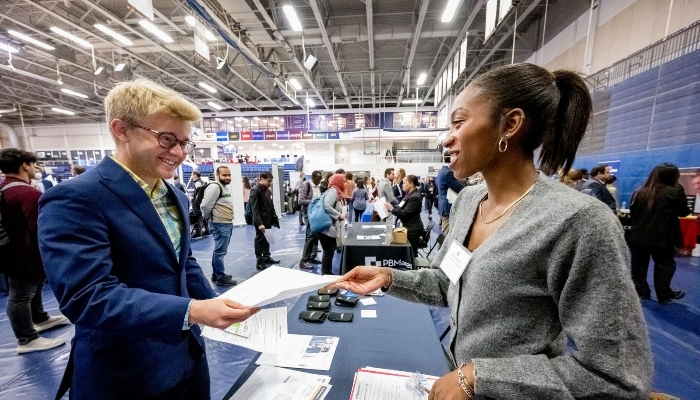
Your first job does not require a finished version of you
The purpose of an entry-level opportunity is not to prove that you already know everything.
It is an opportunity to begin learning how a particular workplace and profession operate.
You may not have experience.
You may not have a university degree.
You may not have every skill listed in a vacancy.
That does not mean you have nothing to offer.
The research is increasingly clear that the labour market values a mixture of technical and human capabilities. Technology skills are rising rapidly, but analytical thinking, creativity, resilience, communication, collaboration and a willingness to keep learning remain central.
So instead of asking yourself, “How can I make myself look experienced?”
Ask a better question:
What evidence can I build that shows I am ready to learn and contribute?
That could be a project.
A portfolio.
A practical skill.
A volunteer experience.
A course.
A piece of writing.
A small business.
A presentation.
A technical demonstration.
Or simply a strong example of how you solved a difficult problem.
You cannot manufacture years of experience.
But you can start building evidence of what you are capable of today.
And that may be the most useful thing you can bring to your first job application.
Sources
World Economic Forum. Future of Jobs Report 2025.
World Economic Forum. Future of Jobs Report 2025: Skills Outlook.
LinkedIn. Skills on the Rise 2026.
International Labour Organization. Skills for Youth Employment.
World Bank. World Development Report 2019: The Changing Nature of Work.
OECD. Skills for Jobs Database.
Related News
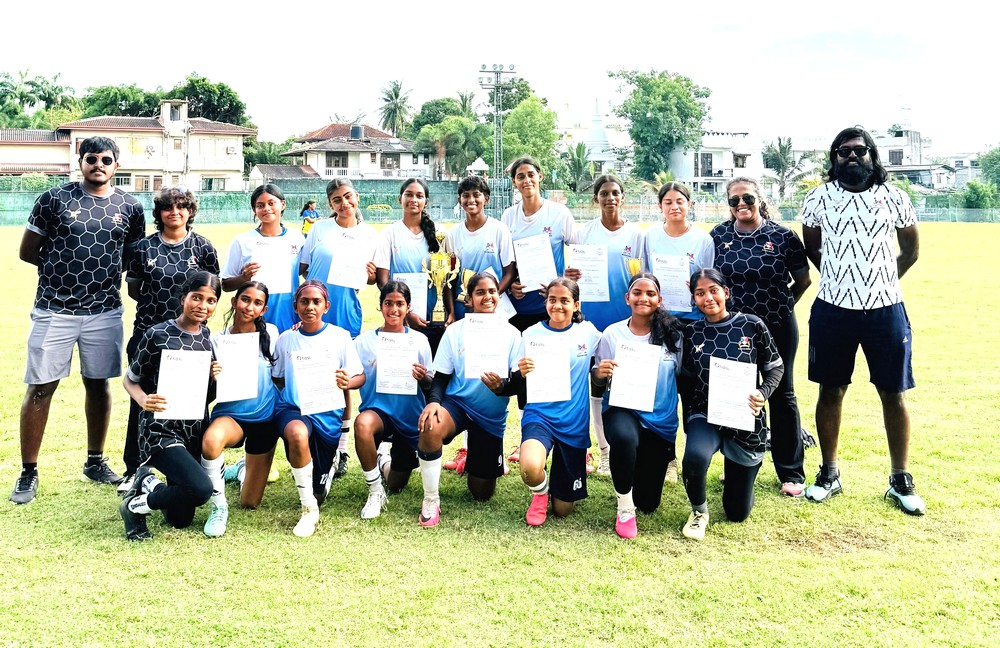
Gateway Girls Triumph in Football
Under 18 Champions: Standing Order Left to Right – Mr Rafaah Suhail (Coach), Ms Sahani Fernando (Coach), Brianna Perera, Tasneem Malik, KenuliAbeygunawardhane…
Read More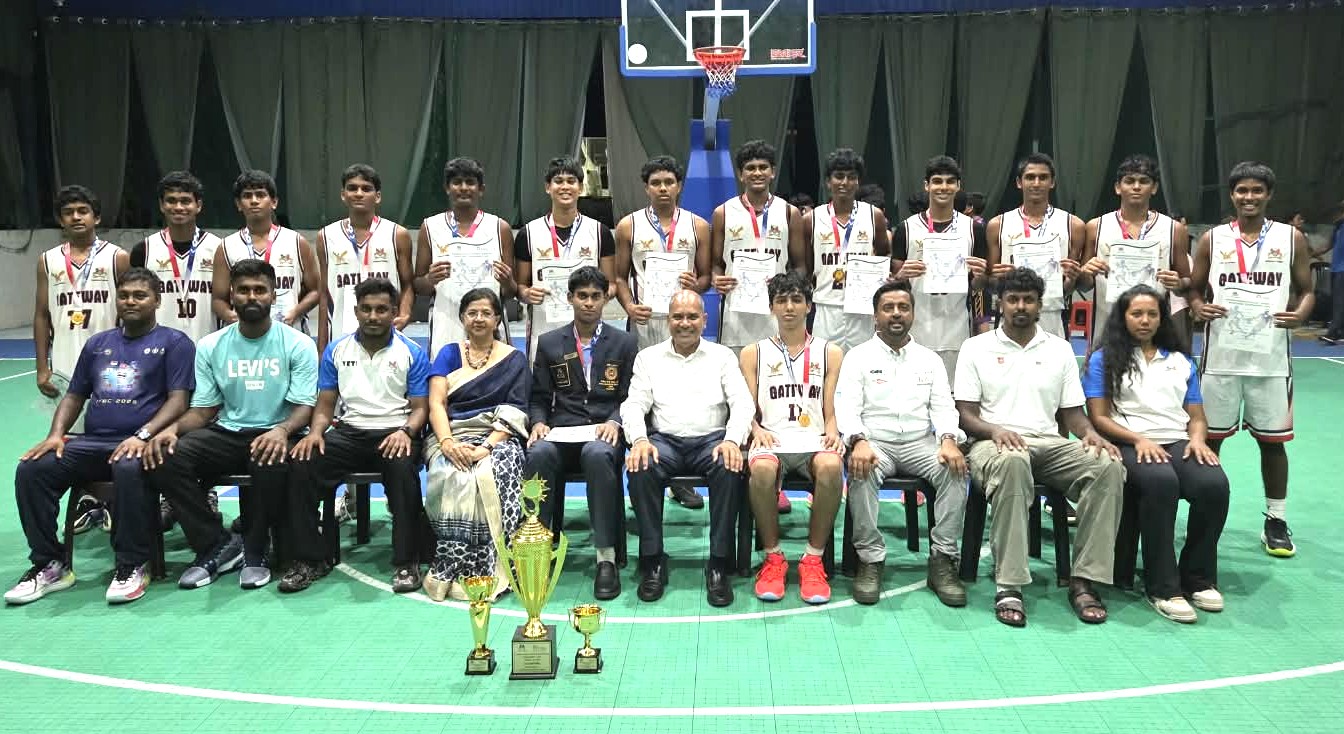
Gateway College Crowned TISSL Under-19 Basketball Champions for Fifth Consecutive Year
Back Row (left to right):DhanukaWijegoonaratne, Tevan Sela, Jonathan Herath, Mikyle Reza, Akain Vitanachy, Samuel Tsung, Thinuk Attanayaka, NavinduWaduwavala, Julan Senmitha, Jithein Kulatunga,…
Read More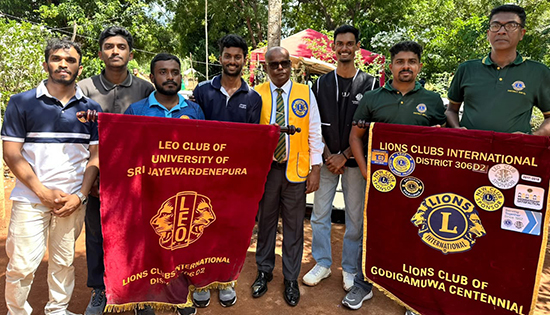
USJ Leo Club’s ‘Pranadhara ’26’ Brings Water Storage Support to Habarana Community
The Leo Club of the University of Sri Jayewardenepura has completed the second phase of its ‘Pranadhara ’26’ water security project, providing…
Read More
Sri Lanka Skills Expo 2026 to promote vocational education in Colombo
The Sri Lanka Skills Expo 2026 is scheduled to take place from October 23 to 25 at Viharamahadevi Park and Green Path…
Read MoreSri Lanka ITEC Alumni Association formally launched to unite India-trained professionals
The Sri Lanka ITEC Alumni Association was officially launched during its inaugural meeting at the Grand Crystal Ballroom of Hotel Taj Samudra…
Read MoreCourses
-
The future of higher education tech: why industry needs purpose-built solutions
For years, Institutions and education agencies have been forced to rely on a patchwork of horizontal SaaS solutions – general tools that… -

MBA in Project Management & Artificial Intelligence – Oxford College of Business
In an era defined by rapid technological change, organizations increasingly demand leaders who not only understand traditional project management, but can also… -

Scholarships for 2025 Postgraduate Diploma in Education for SLEAS and SLTES Officers
The Ministry of Education, Higher Education and Vocational Education has announced the granting of full scholarships for the one-year weekend Postgraduate Diploma… -
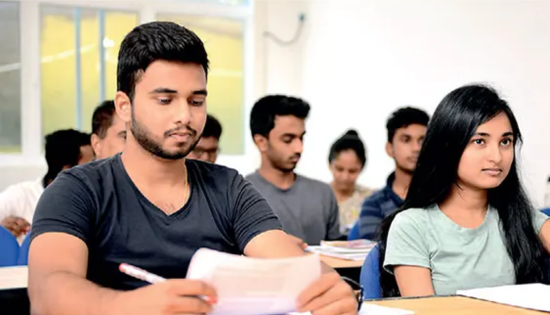
Shape Your Future with a BSc in Business Management (HRM) at Horizon Campus
Human Resource Management is more than a career. It’s about growing people, building organizational culture, and leading with purpose. Every impactful journey… -
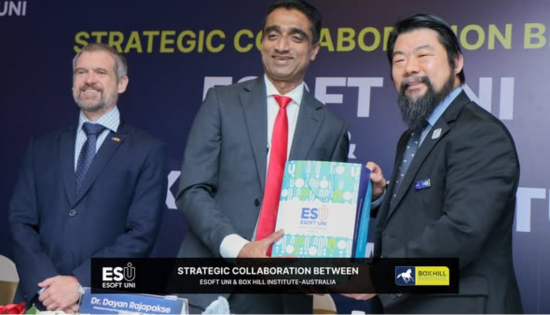
ESOFT UNI Signs MoU with Box Gill Institute, Australia
ESOFt UNI recently hosted a formal Memorandum of Understanding (MoU) signing ceremony with Box Hill Institute, Australia, signaling a significant step in… -

Ace Your University Interview in Sri Lanka: A Guide with Examples
Getting into a Sri Lankan sate or non-state university is not just about the scores. For some universities' programmes, your personality, communication… -
MCW Global Young Leaders Fellowship 2026
MCW Global (Miracle Corners of the World) runs a Young Leaders Fellowship, a year-long leadership program for young people (18–26) around the… -
Enhance Your Arabic Skills with the Intermediate Language Course at BCIS
BCIS invites learners to join its Intermediate Arabic Language Course this November and further develop both linguistic skills and cultural understanding. Designed… -
Achieve Your American Dream : NCHS Spring Intake Webinar
NCHS is paving the way for Sri Lankan students to achieve their American Dream. As Sri Lanka’s leading pathway provider to the… -
National Diploma in Teaching course : Notice
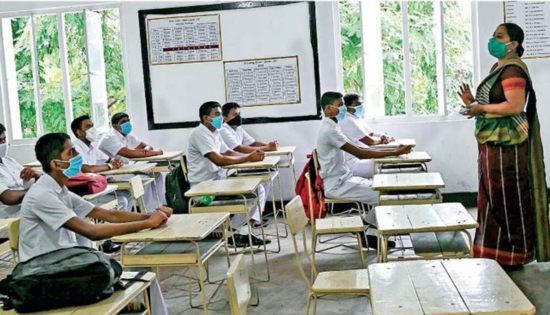
A Gazette notice has been released recently, concerning the enrollment of aspiring teachers into National Colleges of Education for the three-year pre-service… -
IMC Education Features Largest Student Recruitment for QIU’s October 2025 Intake
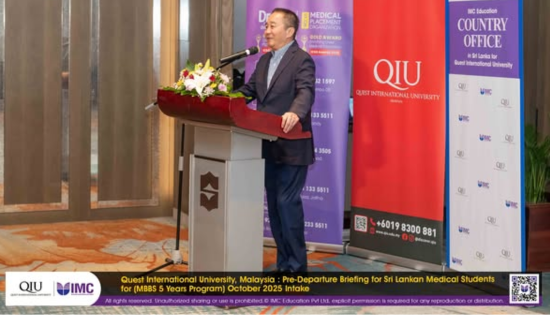
Quest International University (QIU), Malaysia recently hosted a pre-departure briefing and high tea at the Shangri-La Hotel in Colombo for its incoming… -

Global University Employability Ranking according to Times Higher Education
Attending college or university offers more than just career preparation, though selecting the right school and program can significantly enhance your job… -

Diploma in Occupational Safety & Health (DOSH) – CIPM
The Chartered Institute of Personnel Management (CIPM) is proud to announce the launch of its Diploma in Occupational Safety & Health (DOSH),… -
Small Grant Scheme for Australia Awards Alumni Sri Lanka
Australia Awards alumni are warmly invited to apply for a grant up to AUD 5,000 to support an innovative project that aim… -
PIM Launches Special Programme for Newly Promoted SriLankan Airlines Managers
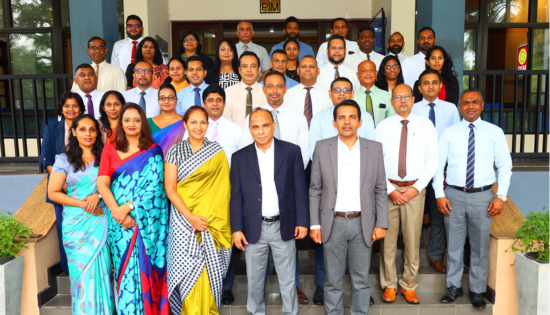
The Postgraduate Institute of Management (PIM) has launched a dedicated Newly Promoted Manager Programme designed to strengthen the leadership and management capabilities…
Newswire
-

WATCH : Highlights of Sri Lanka’a highest successful ODI run chase
ON: October 22, 2026 -

Pakistan, Sri Lanka & England ODI Tri-Series Points Table & NRR
ON: October 22, 2026 -
Sri Lanka pull off record-breaking chase to beat England by two wickets
ON: October 22, 2026 -
Sajith questions 2027 Budget without disclosure of 2026 Budget progress
ON: October 22, 2026 -
India-funded 22nd model village handed over to beneficiaries in Galle
ON: October 22, 2026